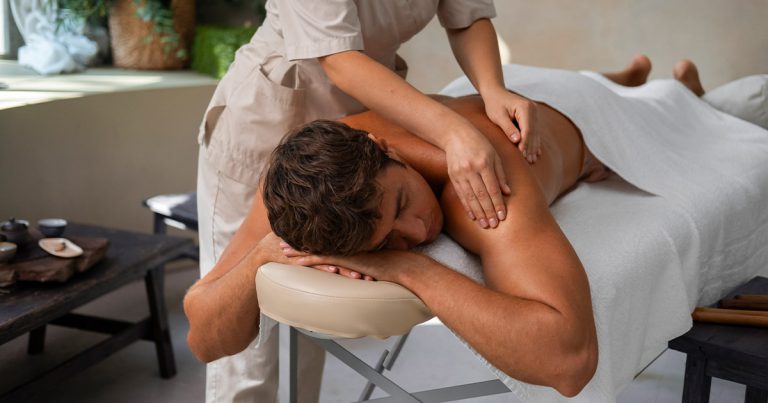
Modern life often comes with long working hours, constant screen time, stressful schedules, and physical fatigue. These daily challenges can leave both the body and mind feeling exhausted. One of the most effective ways to restore balance is through professional massage therapy. More than just a luxury, massage has become an important part of many people’s wellness routines, helping improve mobility, reduce stress, and encourage overall well-being.
Whether someone is dealing with muscle tension, recovering after exercise, or simply looking for a way to unwind, massage therapy offers a wide range of benefits. Different massage styles address different needs, making it easier for individuals to find a treatment that suits their lifestyle and health goals.
This guide explores the many advantages of massage therapy, the most popular techniques, how to prepare for a session, and why choosing experienced therapists makes all the difference.
Understanding Massage Therapy
Massage therapy involves manipulating the body’s muscles, tendons, ligaments, and connective tissues using various techniques. Skilled therapists apply pressure, stretching, and rhythmic movements to relieve discomfort, improve circulation, and promote relaxation.
Massage has been practiced for thousands of years in cultures around the world. Today, it combines traditional healing methods with modern knowledge of anatomy and physiology to deliver safe and effective treatments for people of all ages.
Why Massage Has Become More Popular Than Ever
As awareness of physical and mental health continues to grow, more people recognize massage as an essential part of self-care. Instead of waiting until pain becomes severe, many individuals schedule regular sessions to prevent muscle tightness and maintain flexibility.
Professional massage can support people who:
- Spend long hours sitting at a desk
- Perform physically demanding work
- Exercise regularly
- Experience frequent stress
- Recover from sports activities
- Want to improve sleep quality
- Seek better overall wellness
Physical Benefits of Massage Therapy
Massage provides numerous physical advantages that can improve daily comfort and long-term health.
Reduces Muscle Tension
One of the primary reasons people seek massage therapy is muscle tightness. Overworked muscles often become stiff and sore, limiting movement and causing discomfort. Massage helps release tension while encouraging muscles to relax naturally.
Improves Blood Circulation
Massage stimulates healthy blood flow throughout the body. Better circulation delivers oxygen and nutrients more efficiently while helping remove metabolic waste from muscles.
Improved circulation may contribute to:
- Faster recovery
- Reduced stiffness
- Better energy levels
- Healthier muscle function
Increases Flexibility
Regular massage helps improve joint mobility and muscle elasticity. Flexible muscles are less likely to become injured during daily activities or exercise.
Supports Posture Improvement
Poor posture is increasingly common due to prolonged computer and smartphone use. Massage releases tight muscles around the neck, shoulders, chest, and lower back, helping the body return to healthier alignment.
Helps Athletic Recovery
Athletes often use massage as part of their recovery routine. By reducing muscle soreness and improving circulation, massage supports quicker recovery between workouts and competitions.
Mental and Emotional Benefits
The positive effects of massage extend well beyond physical health.
Stress Reduction
Massage encourages the body to relax by lowering stress hormones while promoting the release of feel-good chemicals that improve mood.
Many people notice they feel calmer and more focused after even a single session.
Better Sleep
Relaxed muscles and reduced stress often lead to improved sleep quality. People struggling with occasional insomnia or restless nights frequently find massage beneficial.
Improved Mental Clarity
When physical tension decreases, many individuals experience greater concentration and mental clarity. Feeling physically comfortable often makes it easier to stay productive throughout the day.
Popular Types of Massage
Different techniques provide different benefits depending on individual needs.
Swedish Massage
Swedish massage uses long, flowing strokes combined with gentle kneading and circular movements. It is an excellent choice for relaxation and stress relief.
Deep Tissue Massage
Deep tissue massage targets deeper muscle layers using slower, firmer pressure. It is commonly recommended for chronic muscle tightness and persistent tension.
Sports Massage
Designed specifically for active individuals, sports massage focuses on improving performance, reducing recovery time, and preventing injuries.
Hot Stone Massage
Smooth heated stones help warm muscles, allowing therapists to work more effectively while creating an incredibly relaxing experience.
Pregnancy Massage
Prenatal massage is carefully adapted for expectant mothers to reduce discomfort associated with pregnancy while promoting relaxation.
Traditional Thai Massage
Among the world’s oldest healing techniques, Thai massage combines assisted stretching, rhythmic pressure, and body movement. Unlike traditional oil massage, clients usually remain fully clothed while therapists guide the body through various stretches.
Thai massage aims to improve flexibility, encourage energy flow, and relieve muscular tension simultaneously.
Many people searching for authentic traditional techniques choose thai massage in willoughby because experienced therapists often combine ancient methods with modern wellness practices to create personalized treatments that support flexibility, mobility, and relaxation.
Massage for Office Workers
Office employees frequently experience discomfort caused by prolonged sitting and repetitive computer work.
Common issues include:
- Neck stiffness
- Shoulder pain
- Lower back discomfort
- Wrist tension
- Poor posture
Regular massage sessions help counteract these problems by reducing muscle tightness before it becomes chronic.
Massage and Active Lifestyles
People who enjoy running, cycling, gym workouts, yoga, or recreational sports place considerable stress on their muscles.
Massage helps:
- Reduce delayed muscle soreness
- Improve flexibility
- Enhance circulation
- Support faster recovery
- Maintain peak performance
Many professional athletes include massage as part of their long-term training programs.
How Massage Supports Long-Term Wellness
Wellness isn’t achieved through a single treatment. Instead, consistent healthy habits create lasting improvements.
Massage fits naturally into a balanced lifestyle that also includes:
- Regular exercise
- Healthy nutrition
- Quality sleep
- Stress management
- Proper hydration
Together, these habits support overall physical and mental health.
Choosing the Right Massage Style
Selecting the best massage depends on personal goals.
If relaxation is the priority, Swedish massage may be ideal.
For chronic muscle tightness, deep tissue techniques often provide greater relief.
People wanting improved flexibility may benefit from Thai massage.
Sports massage works well for athletes and active individuals.
A qualified therapist can recommend the most appropriate treatment after discussing symptoms and health history.
Preparing for Your Massage Appointment
Simple preparation can improve the overall experience.
Helpful tips include:
- Drink water before your session.
- Wear comfortable clothing.
- Arrive a few minutes early.
- Communicate any pain or medical concerns.
- Avoid eating a heavy meal immediately beforehand.
Open communication allows therapists to customize treatment according to individual preferences.
What to Expect During Treatment
A typical massage session begins with a brief consultation. The therapist asks about health concerns, pain areas, and treatment goals.
During the massage, pressure can usually be adjusted based on personal comfort. Clients should always communicate if anything feels uncomfortable.
After treatment, many people experience immediate relaxation along with reduced muscle tightness.
Aftercare Tips
To maximize the benefits of massage:
- Stay hydrated.
- Stretch gently.
- Avoid strenuous exercise immediately afterward.
- Rest if possible.
- Maintain good posture throughout the day.
These simple habits help extend the positive effects of treatment.
How Often Should You Get a Massage?
The ideal schedule depends on lifestyle and health goals.
General recommendations include:
- Monthly sessions for wellness maintenance
- Every two to three weeks for moderate muscle tension
- Weekly treatments for chronic pain or intensive athletic training
Consistency generally produces better long-term results than occasional appointments.
Finding a Trusted Massage Clinic
Choosing experienced therapists is one of the most important factors in achieving positive outcomes.
Look for clinics that offer:
- Qualified practitioners
- Clean treatment rooms
- Personalized care
- Multiple massage techniques
- Positive client reputation
- Comfortable environment
People looking for professional massage near Wynyard often prioritize convenience alongside experienced therapists who can tailor treatments to individual wellness goals, making it easier to maintain regular appointments even with busy schedules.
Common Myths About Massage
Massage Is Only for Relaxation
While relaxation is a major benefit, massage also supports recovery, flexibility, circulation, and muscle health.
Deep Pressure Is Always Better
The most effective pressure depends entirely on individual needs. Gentle massage can be just as beneficial for many people.
One Session Fixes Everything
Massage delivers immediate benefits, but lasting improvement usually comes through regular treatments combined with healthy lifestyle habits.
Massage as Preventive Healthcare
Rather than waiting for pain to develop, many people use massage proactively to maintain physical health.
Preventive massage helps:
- Reduce everyday stress
- Improve mobility
- Maintain healthy muscles
- Encourage relaxation
- Support better posture
This proactive approach may reduce the likelihood of chronic muscle tension over time.
The Future of Massage Therapy
Growing awareness of holistic healthcare continues to increase demand for massage therapy worldwide. Many wellness professionals now incorporate massage alongside exercise programs, physiotherapy, mindfulness, and nutrition to create comprehensive health plans.
As people continue prioritizing self-care and preventive wellness, massage therapy is expected to remain an important component of healthy living.
Conclusion
Massage therapy offers far more than temporary relaxation. It supports physical recovery, mental well-being, improved flexibility, healthier circulation, and better overall quality of life. Whether you’re managing workplace stress, recovering from physical activity, or simply investing in your long-term wellness, regular massage can become an invaluable part of a healthy lifestyle.
With numerous massage styles available—from gentle Swedish techniques to traditional Thai therapies—there is an option suitable for nearly every individual. By choosing experienced therapists, maintaining regular appointments, and combining massage with healthy daily habits, people can enjoy lasting improvements in comfort, mobility, and overall well-being for years to come.